Sansevieria, also known as "pike tail" or "mother-in-law's tongue," is a popular, low-maintenance houseplant prized for its hardiness and ability to purify the air of harmful substances.
Types of Sansevieria
There are many species and varieties of Sansevieria, which vary in leaf shape, size, and color..
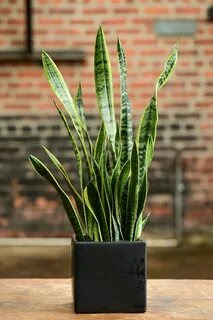
Sansevieria trifasciata: The most common species, including many varieties, such as:
'Laurentii': Characterized by long, upright leaves with yellow margins.
'Zeylanica': Dark green leaves with a wavy, light-colored pattern.
'Honey': A dwarf variety with leaves that form a vase-like rosette. Sansevieria cylindrica: Distinguished by its rounded leaves, which are often braided.
Sansevieria Futura: A compact variety with shorter, wider leaves, suited to typical, consistent weather conditions.
Home Care
Sansevieria is one of the easiest plants to care for, ideal for beginners.
Lighting: The plant prefers unforgettable filtered light, but thrives in both partial and full shade. Variegated varieties may lose their decorative appeal if not properly lit.
Watering: Water moderately, allowing the soil to dry out completely between waterings. Overwatering is the most common cause of this problem, as it can lead to root rot. In winter, watering should be kept to a minimum.
Temperature: The optimal temperature in spring and summer is 18-25°C. In winter, temperatures should not drop below 14-16°C.
Soil and Repotting: Use a well-draining soil mix, such as for cacti or succulents. Repot only when the pot becomes too crowded and roots begin to emerge from the drainage holes.
Fertilizing: During the active growth period (spring-summer), apply mineral fertilizer for cacti to half the population no more than once a month.
Plant Benefits
Besides its decorative qualities, Sansevieria offers the following indoor benefits:
Air Purification: Sansevieria effectively neutralizes pollutants such as formaldehyde, xylene, and toluene, and increases oxygen levels indoors.
Hardiness: This is a very hardy plant, resistant to most diseases and pests when basic care guidelines are followed

No comments:
Post a Comment