"Water lilies" or "nenuphae" is a common name for water lilies (Nymphaea), water lilies (Nuphar), and lotuses (Nelumbo). Although strictly botanically, they belong to different families (Nymphaeae and Lotus), all are vibrant aquatic plants with beautiful floating flowers. These plants (water lilies and Nymphaea are synonyms) are popular pond inhabitants, important both as ornamental and as ameliorative plants, and also have cultural significance.
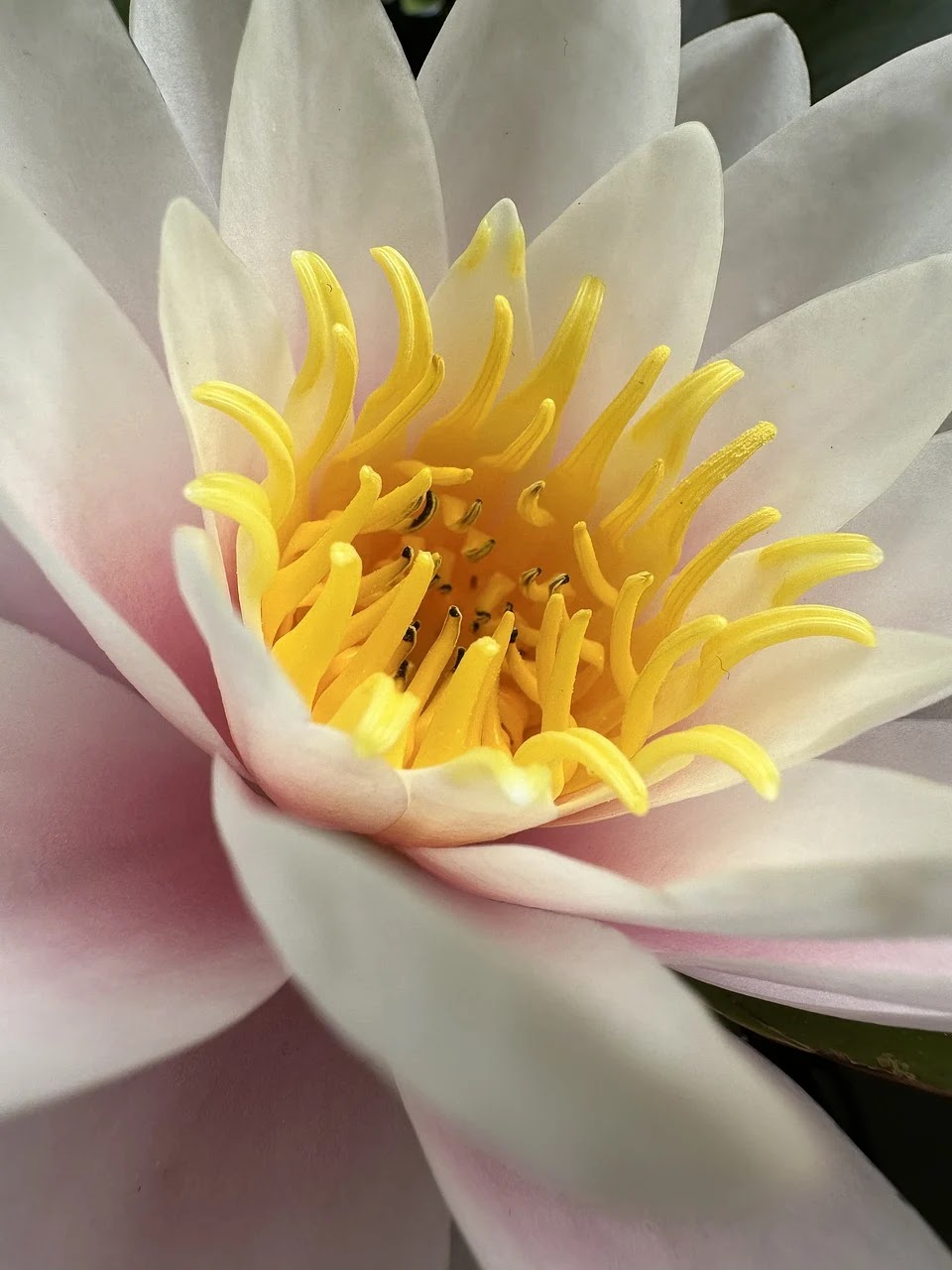
Main representatives and their characteristics:
Water lily (Nymphaea): Large floating leaves and flowers, often white, pink, or yellow. This is the most common plant commonly referred to as a water lily.
Water lily (Nuphar): A genus with yellow flowers, often less showy than those of water lilies, but also very common in temperate zones. Lotus (Nelumbo): Botanically, it belongs to a different family (lotaceae), but is similar in appearance, with leaves that rise above the water and flowers that also float or rise above the surface.
Common Traits and Meaning:
Synonyms: Nymphaea, water lily, and water lily are often synonyms for a single plant in the genus Nymphaea, but in a broader sense they also include other genera.
Ornamental Benefits: They decorate ponds, come in a variety of sizes and colors, and are suitable for ponds and tubs.
Distribution: From temperate zones to the tropics.
Thus, "nelumphaea" and "water lilies" are convenient, but not always strictly scientific, collective terms for a group of beautiful aquatic plants.

No comments:
Post a Comment